Chief Justice John Roberts dissents as Supreme Court lets White House ballroom work continue
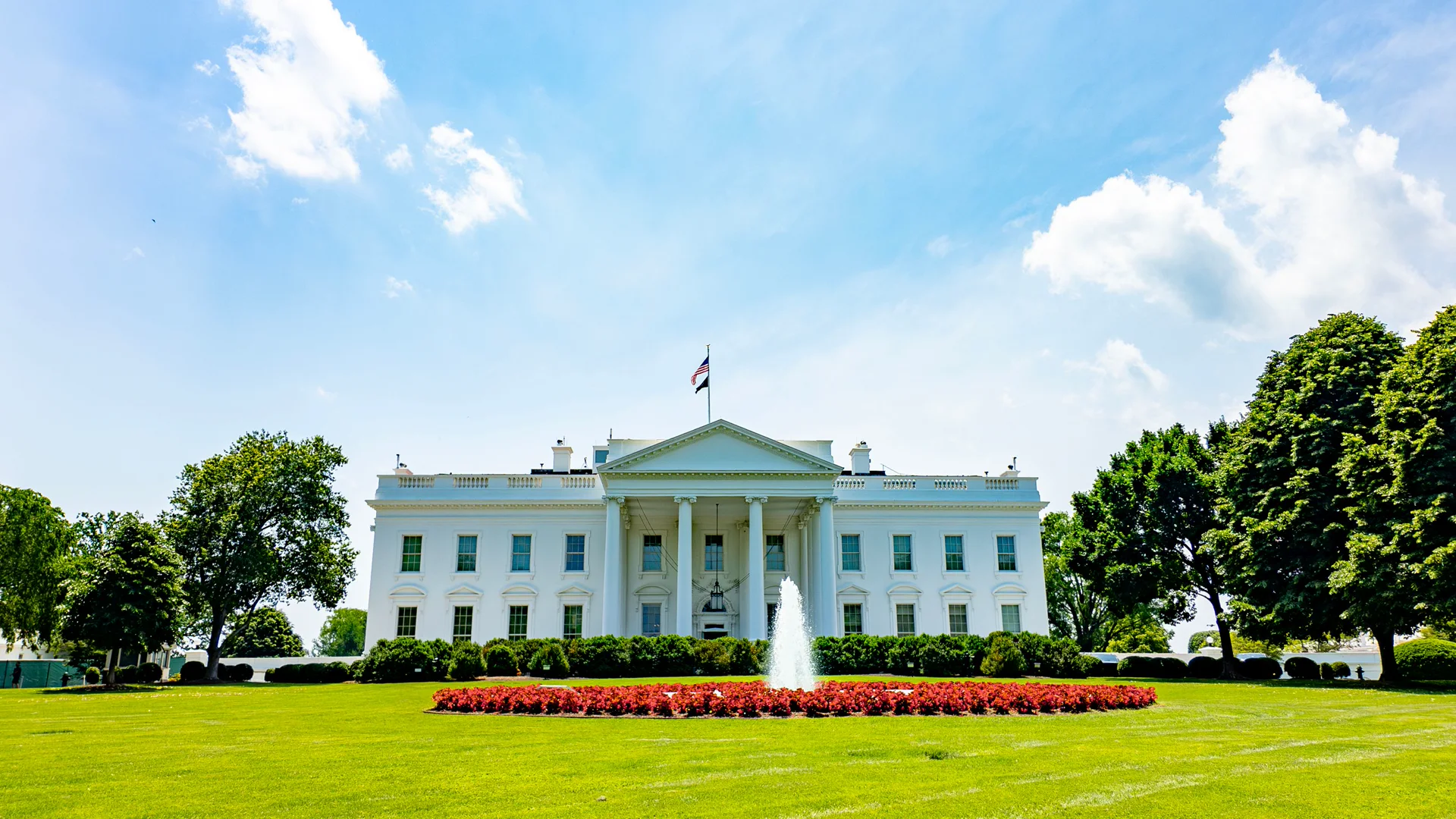
WASHINGTON — The John Roberts White House ballroom dissent said the work is likely unlawful. The Supreme Court voted 5-4 on Monday, Aug. 31, 2026, to stay a lower-court order that had blocked above-ground construction of a White House East Wing ballroom. The unsigned majority said the National Trust for Historic Preservation likely lacks standing to sue.
Chief Justice John Roberts joined Justices Elena Kagan, Sonia Sotomayor, and Ketanji Brown Jackson in dissent. Roberts wrote that the construction is likely unlawful.
The majority said it was not deciding whether the project is legal. The case is National Park Service v. National Trust, No. 26A203.
What the 5-4 stay does — and does not decide
A stay is a pause. Here, the Court paused a lower-court injunction so above-ground ballroom work can continue while the dispute goes on.
CNN, CNBC, and The Guardian all reported the same split. Five justices granted the government’s request. Four justices, including Roberts, dissented.
The majority opinion is unsigned. That is common on the Court’s emergency docket. The order is still an official Supreme Court action.
The majority wrote, “Today, we do not pass upon the legality of the government’s East Wing project.” It said only that the government is likely to show that the Trust lacks Article III standing.
US Local Now is quoting that order and named news reports, in line with our editorial policy.
Why the majority said the Trust likely cannot sue
Standing is the legal right to bring a case in federal court. The majority said the Trust likely does not have it.
The Trust had pointed to a declaration from board member Alison Hoagland, an architectural historian. The majority said offense, disagreement, or distaste is not enough of an injury.
“This court has not found standing in circumstances like these before,” the unsigned opinion said, as quoted by The Guardian. “To the contrary, we have repeatedly held that mere offense, disagreement, or distaste does not qualify as a concrete and particularized injury.”
CNBC reported the same standing holding. The majority did not decide the underlying legality of the White House ballroom.
The order stays the injunction entered by the U.S. District Court for the District of Columbia. Construction of the above-ground ballroom may continue under that stay.
John Roberts White House ballroom dissent
Roberts wrote the John Roberts White House ballroom dissent. Kagan, Sotomayor, and Jackson joined him.
“That construction is likely unlawful,” Roberts wrote, CNBC and CNN reported. He was describing the ballroom project, not announcing that the Court had held it illegal. The Court did not so hold.
CNN quoted this passage: “The White House is not just any building. In failing to appreciate as much, the court misconceives the plaintiff’s injury, allowing the executive’s likely infringement of the legislature’s power of the purse and authority to regulate federal property in the District of Columbia to continue.”
CNBC quoted Roberts on the site of the work. “The ballroom is a building or structure being erected on federal park grounds — President’s Park — in the District of Columbia,” he wrote. “Yet Congress has not passed any law resembling ‘express authority’ for the Executive’s construction of it.”
How Roberts described the law and the building
The Guardian reported that Roberts also wrote that the majority’s ruling “is no victory for the separation of powers.”
CNN reported that Roberts quoted Winston Churchill: people “shape our buildings, and afterwards our buildings shape us.” That, Roberts wrote, was “all the more reason to ensure that those responsible follow the rules in deciding what to tear down and what to build up at the People’s House.”
Roberts did not leave the Court. He dissented in this case.
The National Trust’s response
Brent Leggs, president and CEO of the National Trust for Historic Preservation, said the group was disappointed. He said the majority did not decide whether the ballroom project was legal.
“We are deeply disappointed in the Supreme Court’s ruling today and respectfully disagree with the majority’s opinion on standing,” Leggs said in a statement posted by the Trust. “It is noteworthy that the majority did not weigh in on whether the ballroom project was in fact legal.”
He also said this is not the final decision on the merits. In the Trust’s statement, he argued that each president is a temporary steward of the People’s House and does not have unilateral authority to demolish and redesign it without Congress.
CNN quoted Leggs as saying the group was deeply disappointed and that the majority did not weigh in on legality. CNBC published the same point and the reminder that the merits remain open.
What happens while construction continues
The stay lets above-ground East Wing ballroom work continue for now. The majority said it was not ruling on whether that work is lawful.
The Trust can still press its case on the merits in the ways the litigation allows. Leggs said the group’s core argument is not resolved.
The docket caption is National Park Service, et al. v. National Trust for Historic Preservation in the United States. The application number is 26A203.
Readers who want to know how this desk covers federal courts can see our About page. If we misstate the vote, the case number, or a quotation, we will correct it on our Corrections page.
The news from Monday is therefore limited and specific. The John Roberts White House ballroom dissent is on the record. The Supreme Court still let construction continue. The majority said the Trust likely lacks standing. It did not hold that the project is illegal.
Sources
- The Guardian, “US supreme court allows Trump to keep building $400m White House ballroom”
- Supreme Court of the United States, National Park Service v. National Trust, No. 26A203
- CNN, “Supreme Court allows Trump to continue building White House ballroom”
- CNBC, “Supreme Court lets Trump build White House ballroom as lawsuit continues”
- National Trust for Historic Preservation, statement on National Park Service v. National Trust